The Future of Preventive Healthcare: Wearable-Synced Health Insurance Rewards and Premium Discounts

Introduction: The Dawn of Proactive Insurtech
The global healthcare landscape is undergoing a monumental paradigm shift. For decades, health insurance operated on a reactive model—policyholders paid premiums, and insurers disbursed funds only when illness or injury occurred. However, the rise of the Internet of Things (IoT) and consumer health technologies has introduced a groundbreaking alternative. Today, wearable-synced health insurance rewards and premium discounts are reshaping how insurers evaluate risk and how consumers approach personal wellness.
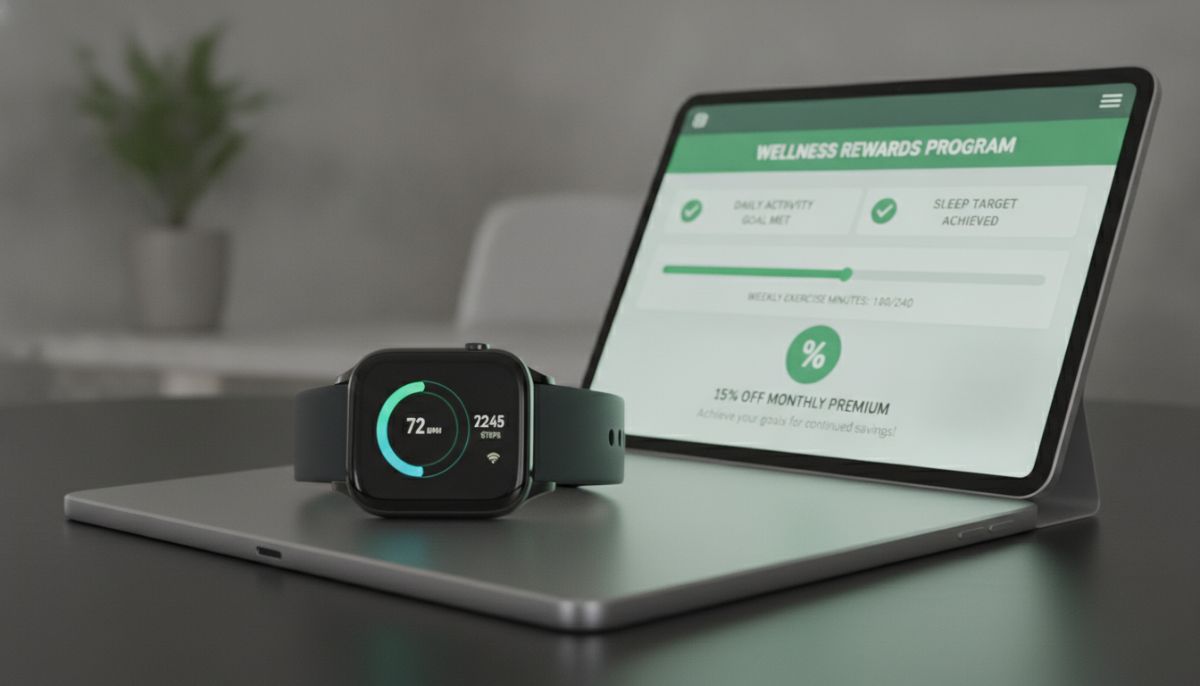
By syncing smartwatches, fitness trackers, and continuous glucose monitors directly with insurance platforms, policyholders can now translate their healthy habits into tangible financial savings. This professional guide explores the mechanics, benefits, structures, and challenges of these programs, highlighting how they foster a mutually beneficial ecosystem for both providers and consumers.






The Mechanics: How Wearable Data Integrates with Actuarial Science
At its core, the concept of wearable-synced health insurance rewards and premium discounts relies on real-time biometric data transmission. Traditional insurance underwriting relies heavily on static, historical risk factors, such as age, gender, medical history, and self-reported lifestyle habits. While helpful, these data points offer only a snapshot of an individual’s actual health status.
Wearables, on the other hand, provide continuous, dynamic streams of data. The process typically unfolds in four main stages:
1. Data Collection: Policyholders opt-in and wear a validated device (such as an Apple Watch, Fitbit, or Garmin) that tracks daily metrics.
2. Synchronization: The wearable syncs with a dedicated insurer app, transferring data securely via API integrations.
3. Algorithmic Evaluation: Insurer software analyzes the data against predefined health benchmarks (e.g., reaching 10,000 steps per day, maintaining an optimal sleep schedule, or keeping heart rate within target cardio zones).
4. Reward Allocation: Policyholders receive points, wellness scores, or direct financial credits based on their performance.
Ensuring Privacy and Data Security
The continuous tracking of biological data naturally raises questions regarding patient privacy. To gain consumer trust, leading insurance companies implement rigorous security standards. These integrations are strictly opt-in and adhere to regulatory frameworks like the Health Insurance Portability and Accountability Act (HIPAA) in the United States and the General Data Protection Regulation (GDPR) in Europe. Data is heavily encrypted, and insurers are typically prohibited from using wearable data to retrospectively raise premiums or deny coverage to existing policyholders.
Structural Models of Wearable-Synced Incentives
Not all incentive programs are structured identically. Insurance providers design distinct tier-based models to appeal to varying demographics, from casual walkers to competitive athletes.
Below is a comprehensive comparison of how different wearable-synced health insurance rewards and premium discounts programs are structured:
| Program Model | Primary Metrics Tracked | Rewards Offered | Average Premium Discount | Ideal User Profile |
|---|---|---|---|---|
| Activity-Based | Daily steps, active minutes, heart rate zones | Gift cards, retail discounts, gadget upgrades | 5% to 15% annually | Casual fitness enthusiasts, general policyholders |
| Biometric-Focus | Resting heart rate, sleep patterns, blood oxygen | Direct premium reduction, deductible credits | 10% to 20% annually | Health-conscious individuals, fitness dedicated |
| Chronic Management | Continuous glucose (CGM), heart rate variability, blood pressure | Co-pay waivers, free medical supplies, premium cashbacks | 15% to 25% annually | Patients managing diabetes, hypertension, or asthma |
Direct Premium Discounts vs. Lifestyle Rewards
While direct premium discounts represent the most sought-after financial benefit, many programs incorporate immediate gratification elements. For instance, some insurers offer a “free” smartwatch under the condition that the policyholder maintains a certain activity level over a 24-month period. If the target is met, the device is fully subsidized; if missed, the policyholder pays a prorated monthly fee for the hardware. This dynamic keeps participants actively engaged with their physical fitness on a daily basis.
The Business Case: Why Insurers Support Wearable Integration
From an actuarial perspective, supporting wearable-synced health insurance rewards and premium discounts is highly strategic. Insurance operates on risk pooling and loss mitigation. By encouraging policyholders to lead healthier lifestyles, insurers drastically reduce the incidence of chronic conditions such as cardiovascular disease, type 2 diabetes, and obesity-related complications.
“The integration of real-time wellness metrics into actuarial science is not just a technological upgrade; it represents a fundamental shift from a reactive indemnity model to a proactive health partnership.” — Dr. Elizabeth Vance, Digital Health Futurist
Fewer chronic illnesses translate directly into fewer expensive claims, directly boosting the insurer’s underwriting margins. Additionally, these programs serve as powerful customer acquisition and retention tools. Engaged customers who track their habits daily interact with their insurance app multiple times a week, transforming the traditionally cold insurer-client relationship into an active, positive touchpoint.

Challenges and Ethical Considerations
Despite the immense promise of wearable-synced health insurance rewards and premium discounts, several socio-economic and technical challenges must be addressed:
1. The Socio-Economic Gap
High-end wearable devices can be prohibitively expensive for lower-income demographics. If insurers offer premium discounts exclusively to those who can afford expensive smartwatches, they risk inadvertently penalizing economically disadvantaged policyholders. To counter this, progressive insurers have started offering complimentary entry-level fitness trackers to all participants.
2. Physical and Medical Limitations
Not all individuals possess the physical capacity to complete standardized exercise goals. Policyholders living with physical disabilities, chronic injuries, or age-related limitations could be unfairly locked out of standard rewards. Insurers are addressing this by offering customized, physician-guided alternative metrics to ensure inclusivity and equity.
3. Data Integrity and Device Calibration
Consumer-grade wearables are not clinical-grade medical instruments. Steps can be falsified (e.g., attaching a tracker to a pet or a fan), and device sensors can miscalculate active heart rates. Insurers are continuously refining their fraud-detection algorithms to identify artificial movement patterns and ensure fair distribution of rewards.
The Future of Connected Health Insurance
The next frontier of wearable-synced programs lies in predictive health management. As artificial intelligence (AI) becomes more integrated with wearable technology, platforms will soon be able to detect early signs of physiological anomalies—such as atrial fibrillation, sleep apnea, or impending respiratory illnesses—before the policyholder even notices symptoms.
By warning the user to schedule a preventive clinical visit, the insurer can avert costly emergency medical interventions. Ultimately, the future of health insurance will not be defined by who pays the bills after a diagnosis, but by how successfully the system works together to prevent the diagnosis from occurring in the first place.
Conclusion: Embracing the Digital Health Revolution
Wearable-synced health insurance rewards and premium discounts represent a win-win evolution in modern healthcare. Policyholders gain agency over their health and benefit from reduced financial burdens, while insurers optimize their risk profiles and reduce costly claims. As wearable technology grows more sophisticated and analytical models become increasingly precise, this personalized, preventative approach will transition from an innovative option to the global standard of healthcare coverage.